

Home OHS LawOntario labour board denies Camcorp bid to suspend fire hose orders at Mississauga tower project

Ontario labour board denies Camcorp bid to suspend fire hose orders at Mississauga tower project

by Safety News Canada Staff
A+A-
Reset

The Ontario Labour Relations Board has dismissed an application by a Mississauga construction company to suspend workplace safety orders requiring fire hoses to be available on floors of two high-rise towers under construction at a major mixed-use development.

The board ruled that the company failed to meet all three elements of the legal test for suspension, finding it could not conclude the orders’ suspension would not endanger worker safety, that the company had not established significant prejudice from compliance, and that no strong prima facie case had been made out.

The orders were issued by an inspector from the Ministry of Labour, Immigration, Training and Skills Development under section 57 of Ontario Regulation 213/91 — the Construction Projects Regulation under the Occupational Health and Safety Act — following field visits to 151 City Centre Drive in Mississauga, known as the Exchange Project.

The orders

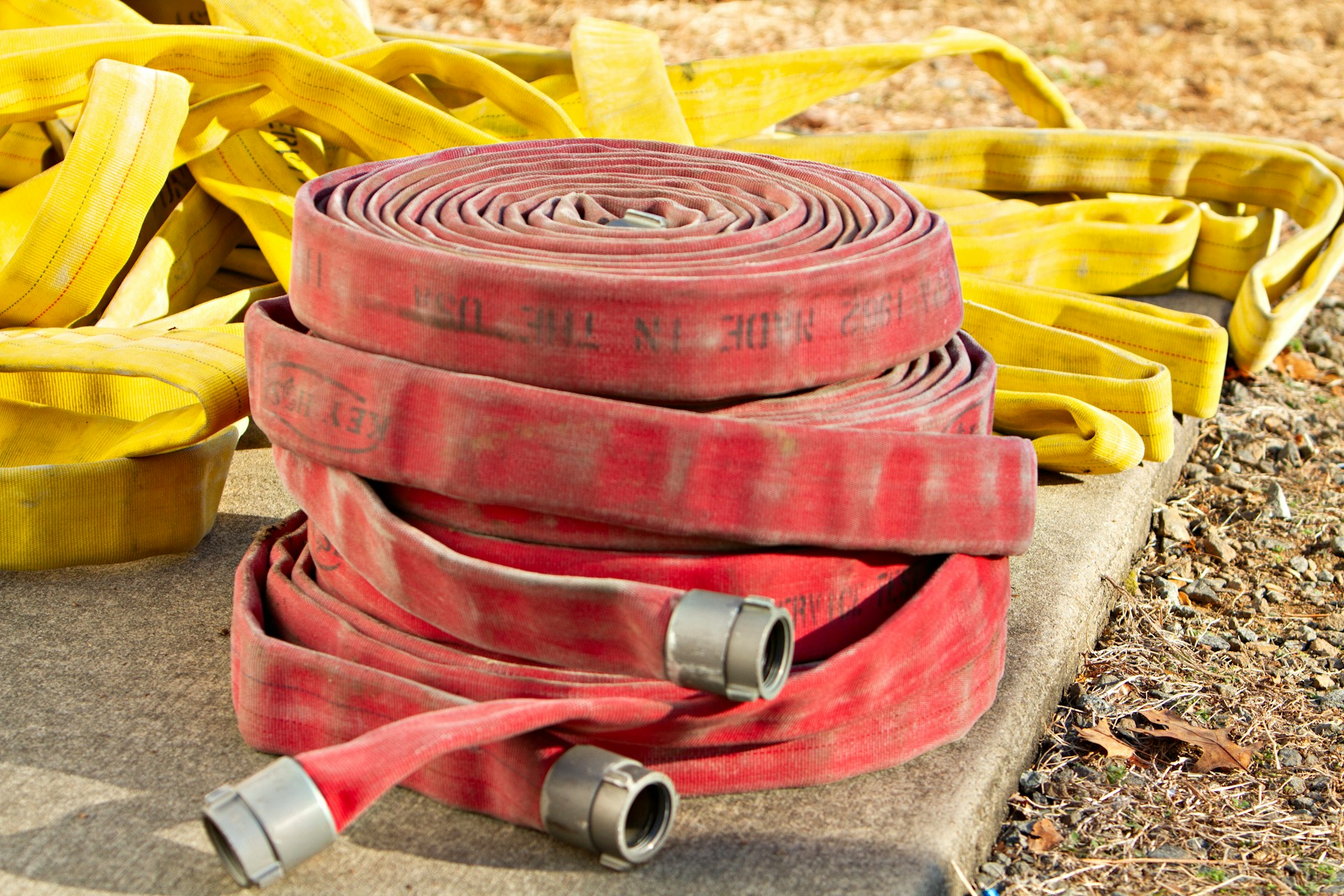
The first order, issued in November 2025, required the constructor to ensure fire hoses connected to a permanent standpipe were available for immediate use between the 40th and 58th floors of Tower 1. A second field visit in December 2025 produced two additional orders covering Tower 4, from the first to the 40th floor: one requiring hoses to be available for immediate use, and a second requiring that hoses be equipped with combination straight stream and fog nozzles.

The inspector did not issue stop work orders and instead set compliance deadlines extending into early 2026.

The company filed appeals of the orders and then applied to the board in February 2026 to suspend them pending the outcome of those appeals.

Worker safety

The company argued that compliance would actually undermine fire safety. Its position was that attaching hoses to permanent standpipes would obstruct stairwells and delay the fire department’s response, because firefighters would need to remove existing hoses to connect their own equipment. The company also argued that no personnel on site were trained to operate fire hoses and that untrained workers handling hoses would create greater risk than having none available at all.

The Ministry clarified its position that hoses need not be permanently attached to standpipes — only that properly equipped hoses must be stored accessibly on each floor under construction. The Ministry argued that having hoses available allows workers to suppress or control a fire while awaiting emergency response and supports orderly evacuation.

The board found that the parties’ positions raised complex questions about the proper interpretation of the fire safety provisions — questions to be resolved in the full appeals. At the suspension stage, however, the board said it could not conclude that granting suspension would not endanger workers. The first part of the test was not met.

Prejudice

The company claimed it would face significant costs and be forced to permanently alter the approved standpipe system design in order to comply, potentially rendering any successful appeal moot. The Ministry countered that compliance required only the purchase of hoses with the required nozzles and proper storage on site, and that the hoses could be moved to other projects or resold once no longer needed.

The board noted the company provided no specific figures or factual particulars to support its claims of financial harm or design disruption. The board also cited the three-month gap between the first order and the filing of the suspension application — an application filed two days after the first compliance deadline had passed.

The board drew on an earlier decision: “Given the three month delay in bringing this application for suspension in this case, it appears that the applicant did not believe that the requirement to comply with the order would cause it significant prejudice.”

The second element of the test was not met.

Prima facie case

The company argued the inspector had misinterpreted section 57(5) of the Construction Projects Regulation and that previous inspectors had found the site compliant. The Ministry disputed both the interpretation and the relevance of prior inspections.

The board found those arguments raised issues for the full appeal hearing and declined to assess them as establishing a strong prima facie case at the suspension stage. While the board acknowledged the company had an arguable case, it found that threshold had not been reached.

The application to suspend the orders was dismissed. The board directed that the related appeals proceed to a hearing on the merits.

For more information, see Camcorp (151) Inc. v A Director under the Occupational Health and Safety Act, 2026 CanLII 20040 (ON LRB).

You may also like